

It’s the end of cinema as we know it… and I feel fine
Freedom News - Monday, December 15, 2025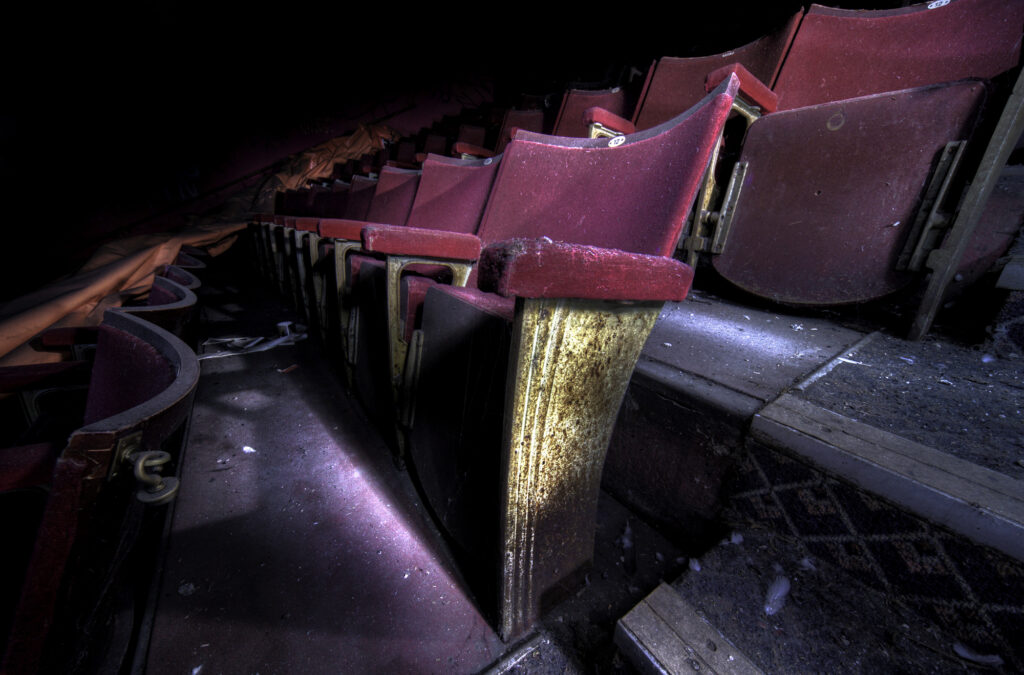
Far from being a tragedy, the demise of the film industry should be celebrated
~ Andrew J. Boyer ~
Netflix has proposed an $82.7bn (£62bn) deal to purchase Warner Bros, a movie studio with over 100 years of cinema history under its belt. Paramount+ has joined in on the bidding in hopes to gain further media assets, as the two streaming services fight over dominance. The proposed deals would dramatically reshape the Hollywood industry towards streaming and will likely have a detrimental effect on local cinemas. This has understandably induced anxiety amongst cinephiles and casual movie-goers alike as they fear the ‘death of cinema’ is upon us. But is it really so bad?
First, let’s ascertain that Hollywood has faced many ‘threats’, from sexual abuse scandals to writers strikes, to CGI replacing practical effects etc.. All of these issues stem from the same cause: the capitalist system. While A.I. is certainly a new threat on the horizon, Hollywood’s grotesque commodification of filmmaking has been decades long. Preference for speedy overblown franchises, name recognition, and nostalgia-mongering have been issues since at least the late ‘70s when modern ‘blockbusters’ emerged. Most will recall news of Ian Mcellan’s tearful breakdown on the set of The Hobbit. After having to recite most of his lines to green screen, he lamented “This is not why I became an actor”. Art has taken a back seat to commercialism in tinsel town for a while now.
A further point against cinema whilst it’s knocking on death’s door, is the sheer amount of financial and environmental waste that goes into major motion pictures. Benedict Cumberbatch commented on this in his interview with Ruth Rogers earlier in the year, stating: “It’s a grossly wasteful industry. Think about set builds that aren’t recycled, think about transport, think about food, think about housing, but also light and energy. The amount of wattage you need to create daylight and consistent light in a studio environment. It’s a lot of energy.”
Plenty of energy indeed. In 2021 the Sustainable Production Alliance reported that the average feature film has a carbon footprint of 3,370 metric tons. Understandably, Hollywood actors are often the subject of scorn for their hypocrisy on preaching climate responsibility to working people.
But the most damning nail in the coffin of all: most blockbuster films these days are boring. There’s a genuine sense of ennui with the film industry that has plagued it since the turn of the century. Let’s not kid ourselves that this can be fixed with unions, laws, contract negotiations or (god forbid) more franchise reboots. The movie industry has been more about stifling art than producing it, yet many people can’t imagine films without it.
To this effect, Hollywood can be considered what Ivan Illich called a “radical monopoly”. In his 1973 book ‘Tools for Conviviality’ he wrote: “Above all, by depriving people of the ability to satisfy personal needs in a personal manner, radical monopoly creates radical scarcity of personal–as opposed to institutional-service.”
Of course, one could argue that the institutional aspect of cinemas is its appeal. Being handed your ticket and walking into a dark room with a large screen and surround sound is what separates the experience from simply watching a film in your living room. This, however, would overlook a very grassroots solution which anarchists and cooperative communitarians have championed for years: independent community cinema.
Independent grassroots cinemas are often smaller, cozier and the seating is typically sofas pulled together, or perhaps tables and chairs facing a projector screen. A stellar example of one would be Star and Shadow Cinema in Newcastle-Upon-Tyne. Whilst being run by volunteers, the cinema also works as a community kitchen and concert space, but most importantly: it screens films. From classics, to modern, and even local indie productions, grassroots cinemas provide essentially the opposite, more social experience to streaming isolated at home.
Furthermore, as A.I. begins to infest the entertainment industry by replacing both actors and set design in the upcoming decades, independent cinemas can champion authentic human films which grasp at the heart of what cinemagoers are longing for. These independent film scenes run far less risk of fostering sexual abuse in the way top-down hierarchical Hollywood production companies have in the past; namely Harvey Weinstein, whose abuse sparked much of the #MeToo movement.
It’s tough not to become sentimental about cinemas and Hollywood. Stories of the ‘golden age’ and memories of our favourite films can enchant our senses away from remembering that it is, in fact, an industry; and a very cold and calculative one at that. With the rising costs of living combined with a loneliness epidemic plaguing the western world, perhaps our sights shouldn’t be set towards saving Hollywood, but instead towards each other.
Photo: howzey on Flickr CC BY-NC-ND 2.0
The post It’s the end of cinema as we know it… and I feel fine appeared first on Freedom News.