

Echoes of Oscar Wilde
Freedom News - Sunday, November 30, 2025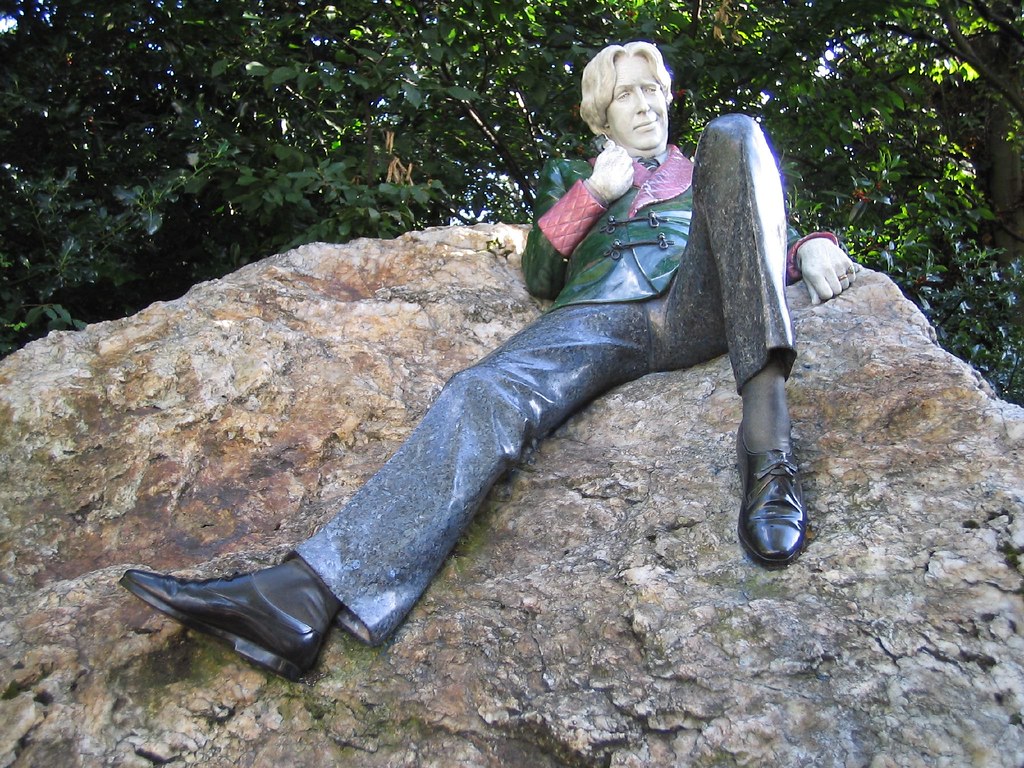
The author, who died 125 years ago today, defended the creative free individual against all forms of societal tyranny
On November 30, 1900, the Irish author, poet and playwright Oscar Wilde (b.1854) passed away in exile in Paris. His grave in the prestigious Père Lachaise Cemetery, where the Ukrainian anarchist Nestor Makhno as well as Karl Marx’s son-in-law Paul Lafargue and his wife Laura also rest, has, like the grave of Doors frontman Jim Morrison, become a kind of pilgrimage site for fans.
Wilde was forced into exile in 1897, immediately after his release from Reading prison. The reasons were social, legal, and personal, making life in England practically impossible. He died completely impoverished in a run-down hotel in Paris’s 6th arrondissement. Prior to that, he had been sentenced to two years of hard labour – the maximum punishment at the time for homosexuality, “the love that dare not speak its name.” He processed his time in prison in two works: De Profundis and The Ballad of Reading Gaol. While the former is a very personal, essentially apolitical text, the latter contains a political dimension. His ballad is a poetic, socially critical indictment of the penal system and an expression of human solidarity, making it relevant to anarchist critiques of incarceration.
The phrase “the love that dare not speak its name,” which he used in his famous courtroom speech and which did not serve to exonerate him, was shortly thereafter taken up by the German-Scottish anarchist John Henry Mackay. Writing under the pseudonym Sagitta, Mackay published his Books of the Nameless Love, initiating a tradition of homoerotic literature in Germany (from a contemporary perspective, Mackay’s works must be critically assessed, as they include, among other content, paedophilic passages).
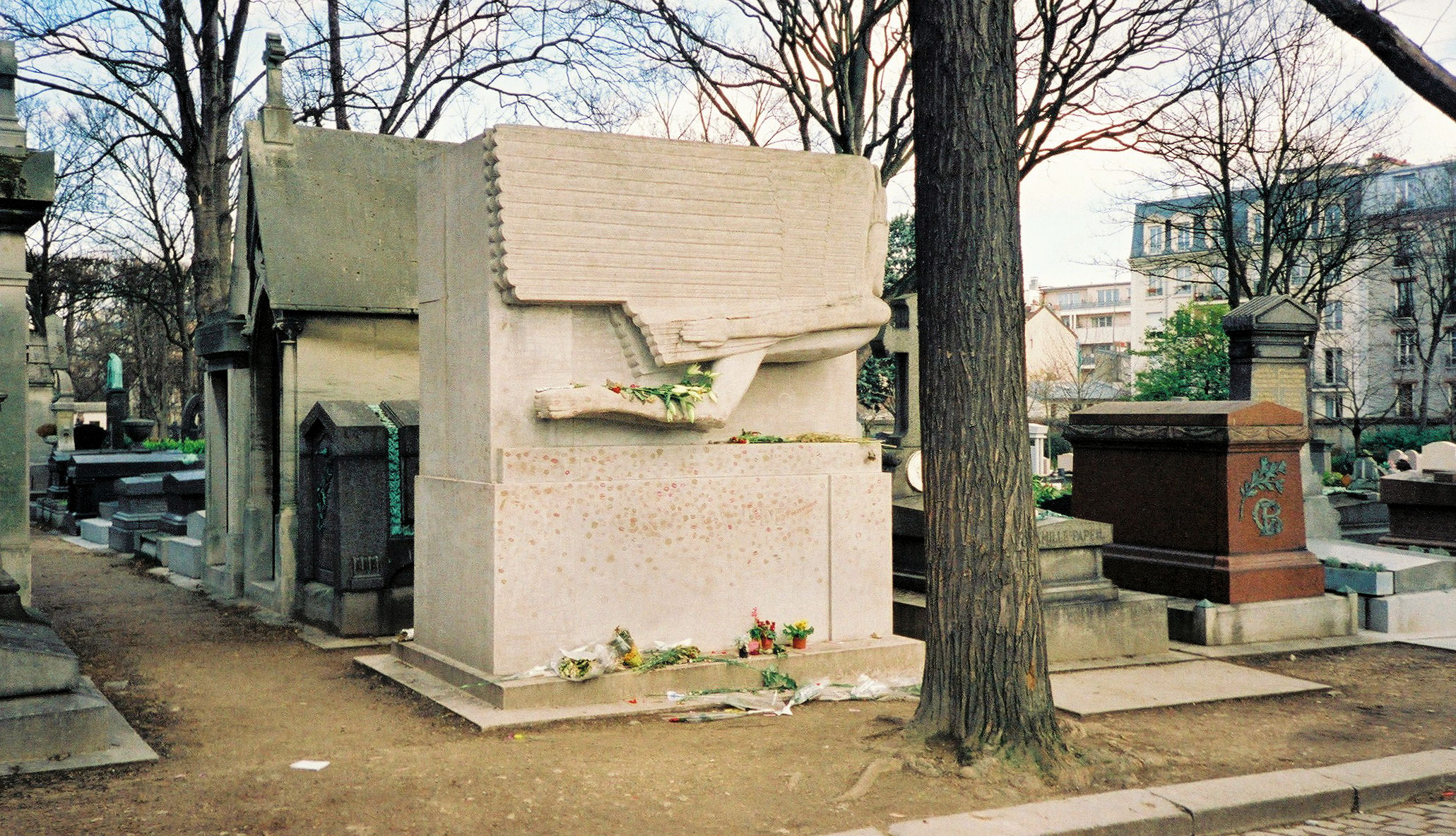 Photo: Jim Linwood on Flickr CC-BY-2.0
Oscar Wilde was, at heart, an anarchist because he defended the free, creative individual against all forms of societal tyranny. This is essentially what Emma Goldman stated in her essay The Social Significance of the Modern Drama. She referred to his text The Soul of Man under Socialism, seeing in it a consistent defense of anarchist individualism. It is therefore hardly surprising that Goldman – heavily influenced at the time by Friedrich Nietzsche and Max Stirner – translated this text into German using Stirnerian and Nietzschean vocabulary. This translation continues to be reissued in the German-speaking world today and shapes the interpretation referenced by Emma Goldman.
In The Soul of Man under Socialism, Wilde argues that true individual freedom is only possible in a society that prioritises creativity, self-realisation, and voluntary cooperation over property and coercion. He criticises both capitalism and charitable philanthropy, as both perpetuate rather than eliminate poverty. The state appears to him as the central force of oppression, preventing the individual from realising their artistic and moral potential. Wilde therefore does not conceive of socialism as state control, but as a system that provides all people with leisure and freedom to engage creatively. Such liberation from property constraints and poverty, in his view, would lead to greater individuality, increased happiness, and a truly humane society.
The words that precede this work – “A map of the world that does not include Utopia is not worth even glancing at.” – are likely the most frequently quoted lines from Wilde’s entire oeuvre and continue to fascinate not only anarchists. On the anniversary of his death, it is once again a good occasion to revisit his works from an anarchist perspective – and not just The Picture of Dorian Gray.
Top photo: William Murphy CC BY-NC-SA 4.0
The post Echoes of Oscar Wilde appeared first on Freedom News.